








Last updated: December 29, 2025
In today’s world of financial demands like saving for the future, managing debt, staying on top of taxes, and keeping a consistent budget, it’s easy to assume charitable giving is something you can only do “when things calm down.” But giving doesn’t have to be all or nothing. With the right planning, donating to causes you care about can fit comfortably into your monthly money routine.

Generosity and financial wellness can work hand in hand. This blog will help you build a sustainable giving plan that aligns with your budget, your goals, and your values, no matter your income or circumstances.
Why Include Giving in Your Financial Plan?
Charitable donations aren’t just transactions; they’re an expression of your values and a way to strengthen your community. When you build giving into your financial plan, you create room for something meaningful, not just more spending, but more impact.
Giving Can Improve Your Relationship With Money
Many people find that giving, even a small amount, shifts the way they think about money. It becomes less about pressure and more about purpose. Donating can create a sense of connection, gratitude, and intention, helping you see the needs of others in a whole new way.
A Chance to Align Spending With What Matters Most
Your budget reflects your priorities. Including charitable giving in your monthly plan ensures your money supports organizations and causes you believe in. It’s also a great opportunity to involve your family, discussing who to give to, what matters most, and how generosity plays a role in your household.
How Much Should You Give?
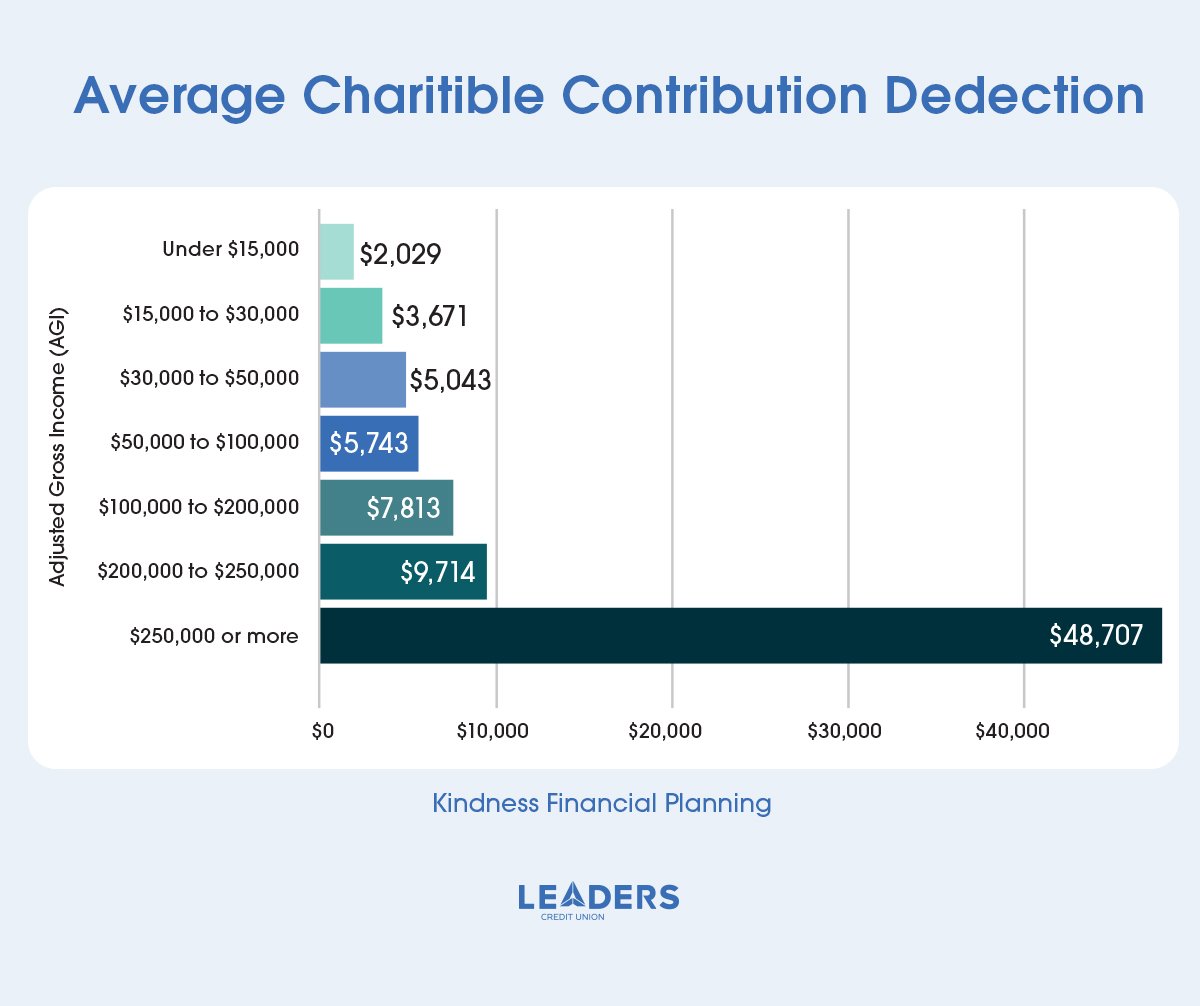
There's no single rule for the exact amount you should set aside for giving. The right amount depends on your income, your stage of life, and other financial goals like saving or repaying debt.
Percentage vs. Dollar Amount
Some people prefer giving a percentage of their income, while others choose a set dollar amount, like $10 or $25 a month. Both are great options, and neither is "better" than the other. If you're interested in percentage-based giving, you can start small at 1–5% and work your way up to 10%. The key is consistency.
Small Amounts Matter
You don’t need a large budget to make a difference. Microdonations, which are small, regular contributions, add up over time. A small amount given faithfully each month often has more impact than a single large gift.
Balance Giving With Goals
It’s important to prioritize giving without neglecting essentials like emergency savings, retirement contributions, or debt repayment. The amount you choose should feel generous but also sustainable.
Smart Strategies for Building Giving Into Your Budget
Charitable giving becomes easier when it’s part of your routine. Here are practical ways to make it a regular, predictable part of your monthly finances.
Automate Your Donations
Automation makes giving effortless. You can set recurring donations directly through your credit union account, or use donation apps that schedule monthly contributions. Automation helps you stay consistent without risking overspending.
Add a Giving Line Item to Your Budget
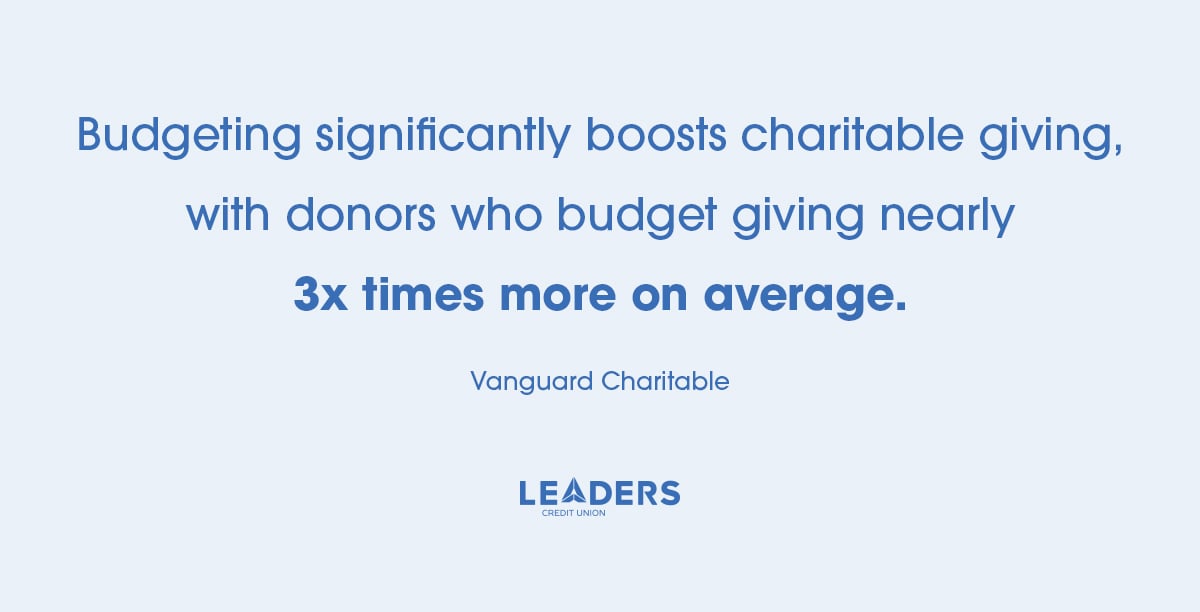
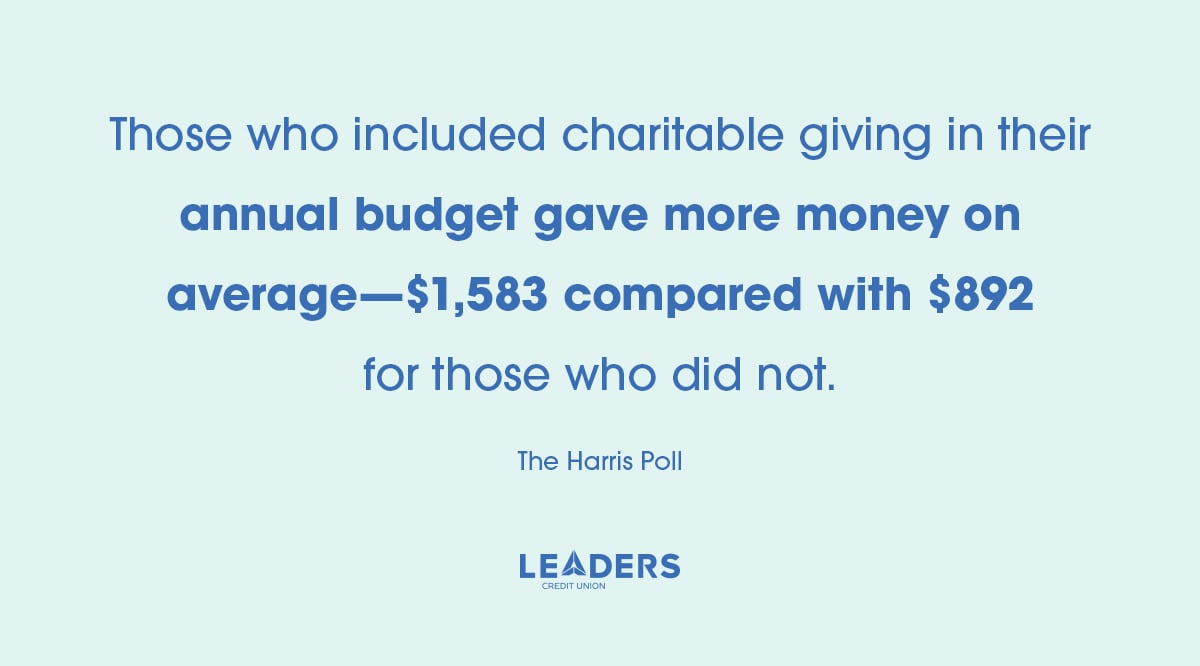
Just as you plan for groceries or utilities, include charitable giving as its own category. Seeing it every month reinforces the habit and ensures it fits within your financial plan.
![[ Download Now: Free Smart Budgeting Toolkit ]](https://no-cache.hubspot.com/cta/default/20761324/cf0d6e63-8b61-4e03-9a96-44c0191c9c74.png)
Track Your Donations and Set Reminders
Set up reminders on your phone to help you schedule monthly contributions, this simple step keeps you consistent with your giving goals. Donation trackers help you manage what you give throughout the year, making budgeting and tax prep easier. Consider using reputable options like:- Spreadsheets (Google Sheets, Excel) for full control and privacy
- Philanthropy tracker features in apps like Goodbudget or YNAB (You Need A Budget)
Adjust Throughout the Year
If your income changes seasonally, such as receiving bonuses or tax refunds, you can adjust your giving accordingly. Some members prefer spreading donations evenly throughout the year, while others like saving for a year-end contribution.
How to Choose Reputable Organizations
Giving is more meaningful when you trust the organizations you’re supporting. A little research helps ensure your donation is used wisely.
Research Charities Before Donating
Websites like Charity Navigator and GuideStar provide transparency into how organizations use their money. Look at ratings, financial practices, and impact reports.
Find Causes That Match Your Values
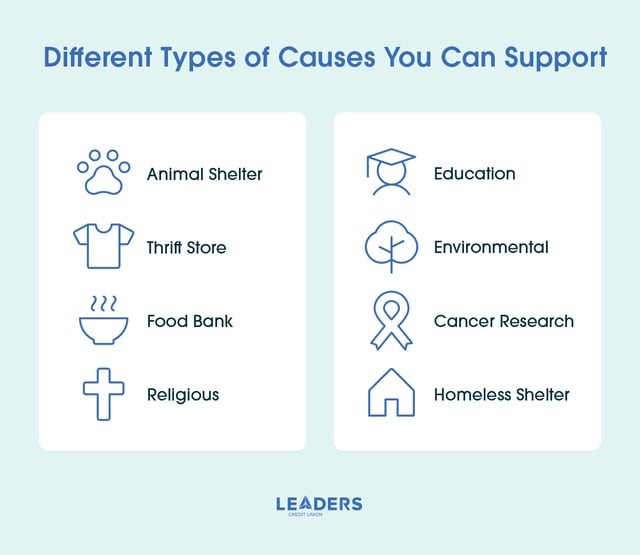
The best giving plan reflects your heart. Whether you care about education, healthcare, animal welfare, or supporting local families, choose organizations that align with what you value most.
Support Local Causes When Possible
Local nonprofits often make a direct, visible impact in your community. They understand the unique needs of your area and can respond quickly to local challenges. Supporting hometown organizations, whether food banks, youth programs, animal shelters, or community health services, keeps resources circulating within your community and strengthens the social fabric where you live.
Give Where It Creates Lasting Change
Look for organizations with measurable results, clear missions, and a track record of using donations responsibly.
Planning for Year-End Giving and Tax Benefits
Year-end donations are popular because they help organizations close gaps in funding, and may also offer tax deductions.
Spread Giving Throughout the Year
Instead of scrambling in December, plan by building charitable donations into your monthly budget. This keeps your giving organized and easier to manage.
Know What Counts for Taxes
Not all contributions qualify for deductions. Generally, donations to IRS-recognized nonprofits may be tax-deductible if you itemize your taxes. Consider speaking with a tax advisor for specific guidance on your situation.
Keep Proper Documentation
Hold on to receipts, email confirmations, and year-end donation statements. These are essential if you plan to claim a deduction.
Understand Limits and Thresholds
While most people don’t hit donation limits, it’s helpful to know there are caps on how much you can deduct each year. A tax professional can help you navigate the details.
How Leaders Credit Union Can Help
At Leaders, generosity is a foundational pillar of the credit union. Supporting your financial wellness means helping you build a plan that includes giving, without sacrificing stability.
Local Partnerships & Community Programs
We proudly support local organizations and community initiatives throughout the year. Members often enjoy joining those efforts or learning more about how they can participate.
Free Financial Guidance
If you’re working to balance giving with saving, debt management, or long-term planning, our team is here with helpful guidance. If you want additional advice on how to lower your expenses so you can plan for more freedom in the future, check out our blog, “How to Lower Expenses and Spend Less Money.” Together, we can create a budget that reflects both your generosity and your goals. Our Smart Budgeting Toolkit is the best place to start if you want a plan that is ready to jump right into.

Charitable giving doesn’t require a big budget or a perfect financial situation. With a little planning and a lot of heart, you can support causes you believe in while staying on track with saving, managing debt, and meeting other financial goals.
FAQs About Budgeting for Charities
Q: How much of my monthly budget should go toward charitable giving?
A: There’s no universal rule, but many people choose 1–5% of their income or a small fixed amount like $10–$25 per month. The right amount feels generous but still financially sustainable.
Q: Can I give even if my budget is tight or I’m paying down debt?
A: Yes. Giving doesn’t have to be large to be meaningful. Start with small, consistent contributions and adjust as your financial situation improves. Always prioritize essentials like savings and debt repayment first.
Q: How do I know if a charity is reputable?
A: Research organizations using tools like Charity Navigator or GuideStar. Look for transparent financials, clear impact reports, and missions that align with your values.
Q: Are charitable donations tax-deductible?
A: Many are, if the organization is IRS-recognized and you itemize your taxes. Keep receipts, email confirmations, and year-end giving statements. A tax advisor can help you understand what qualifies.
How Leaders Credit Union Can Help
At Leaders, generosity is a foundational pillar of the credit union. Supporting your financial wellness means helping you build a plan that includes giving, without sacrificing stability.
Local Partnerships & Community Programs
We proudly support local organizations and community initiatives throughout the year. Members often enjoy joining those efforts or learning more about how they can participate.
Free Financial Guidance
If you’re working to balance giving with saving, debt management, or long-term planning, our team is here with helpful guidance. If you want additional advice on how to lower your expenses so you can plan for more freedom in the future, check out our blog, “How to Lower Expenses and Spend Less Money.” Together, we can create a budget that reflects both your generosity and your goals. Our Smart Budgeting Toolkit is the best place to start if you want a plan that is ready to jump right into.
Charitable giving doesn’t require a big budget or a perfect financial situation. With a little planning and a lot of heart, you can support causes you believe in while staying on track with saving, managing debt, and meeting other financial goals.
Leaders Credit Union is federally insured by the NCUA.


