








Published: December 16, 2025
The next generation is reshaping what it means to give. Generation Z, those born roughly between the mid-1990s and early 2010s, has entered adulthood with a different mindset about money, community, and social change. They’re not waiting to “grow up” to make a difference. They’re redefining charitable giving right now.
.png?width=1294&height=522&name=key-takeaway-33-1%20(1).png)
For Gen Z donors, generosity isn’t limited to writing a check once a year or volunteering on the holidays. It’s a way of life rooted in authenticity, social awareness, and digital connection. Understanding what motivates this younger generation helps every nonprofit organization, community leader, and even family household adapt to the new rules of giving.
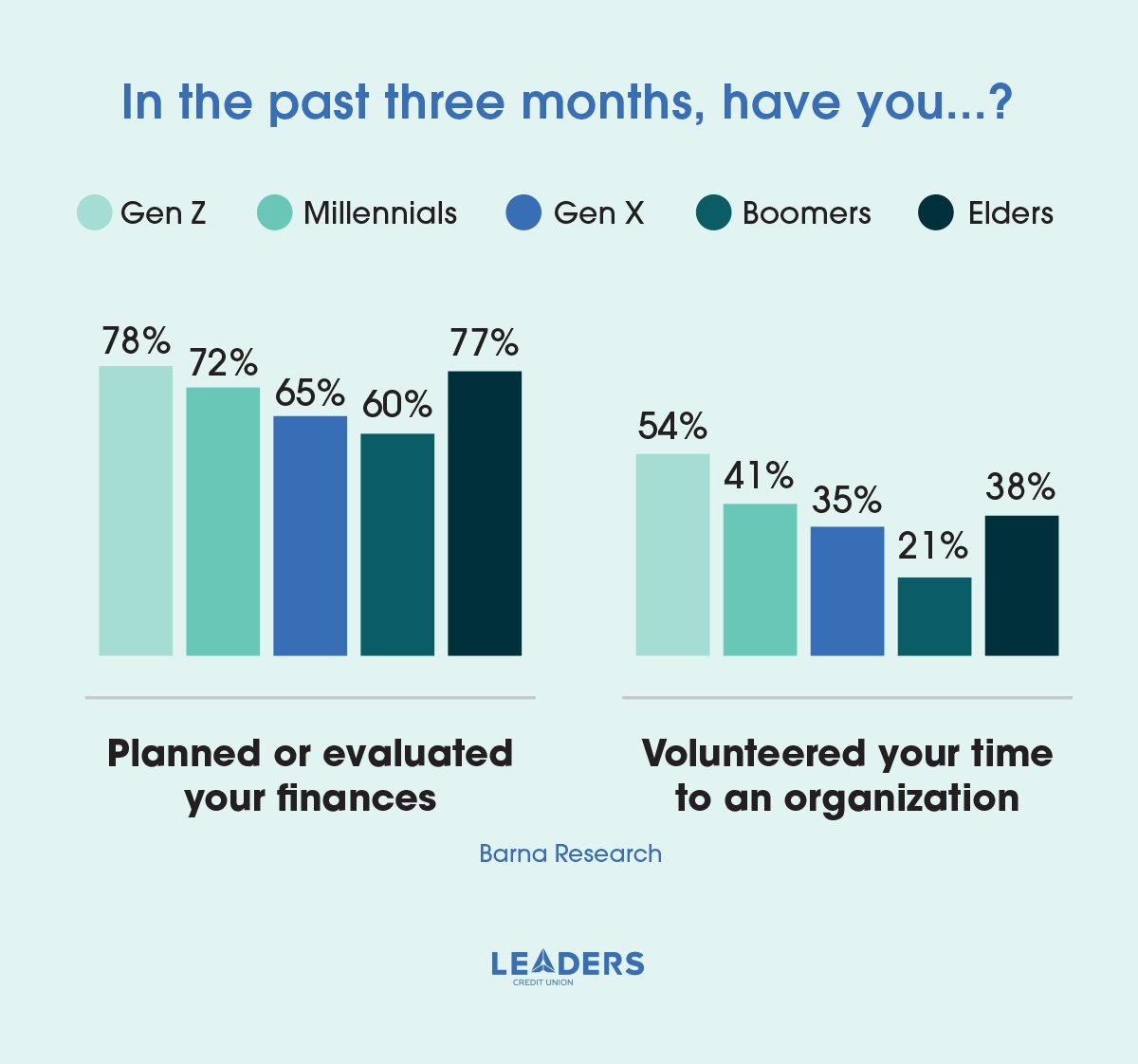
The Next Generation of Givers
Gen Z grew up in a digital world shaped by global awareness, economic uncertainty, and social movements that unfolded in real time. They’ve seen the power of collective action online and are more likely to view giving as a personal responsibility rather than an occasional act of charity.
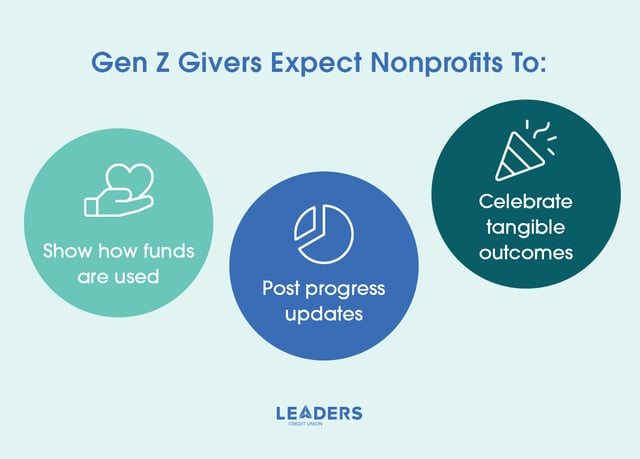
Where Generation X and Millennial donors often gravitate toward established institutions, Gen Z favors impact they can see and trust. Their donor behavior centers on transparency, inclusivity, and immediacy. When they give, they want to understand exactly where their contribution goes and how it creates measurable change.
This generation is also redefining what counts as “philanthropy.” While past generations often equated generosity with financial donations, Gen Z includes time, creativity, and advocacy as forms of giving. From supporting small creators to boosting community campaigns, giving is not just a transaction; it’s participation.
What Drives Younger Donors
So, what makes this young generation of donors tick? Purpose and alignment. This generation wants their dollars and their actions to reflect their values. Causes related to climate change, mental health, equity, and social justice consistently rise to the top of their giving priorities.
Gen Z donors are also highly selective. Before making a donation, they often research organizations through social media, online reviews, or tools like Charity Navigator. They value transparency more than glossy marketing. Seeing an organization’s impact on data, behind-the-scenes work, and authentic storytelling builds trust faster than any fundraising slogan.
![[ Download Free The Gen Z Guide to Grown-Up Money Decisions ]](https://no-cache.hubspot.com/cta/default/20761324/interactive-200889391957.png)
Unlike previous generations, Gen Z doesn’t just want to support change; they want to co-create it. They’re drawn to nonprofits and community groups that invite participation: opportunities to volunteer, collaborate, and share ideas. In this way, philanthropy becomes more democratic, more grassroots, or led by communities rather than institutions, and more human. Younger donors aren’t giving less, they’re giving differently. They want to see the difference their gift makes, not just read about it later.
The Gen Z Giving Toolkit: Digital, Social, and Personal
Gen Z is the first generation of true digital natives, and it shows in how they approach charitable giving. Their giving toolkit blends technology with personal connection.
Micro-Giving and Crowdfunding
Gen Z embraces micro-donations through digital payment platforms, round-up apps, and social giving tools. Whether through Venmo fundraisers, GoFundMe campaigns, or donation links shared on TikTok, small contributions can have a massive reach when multiplied through social networks.
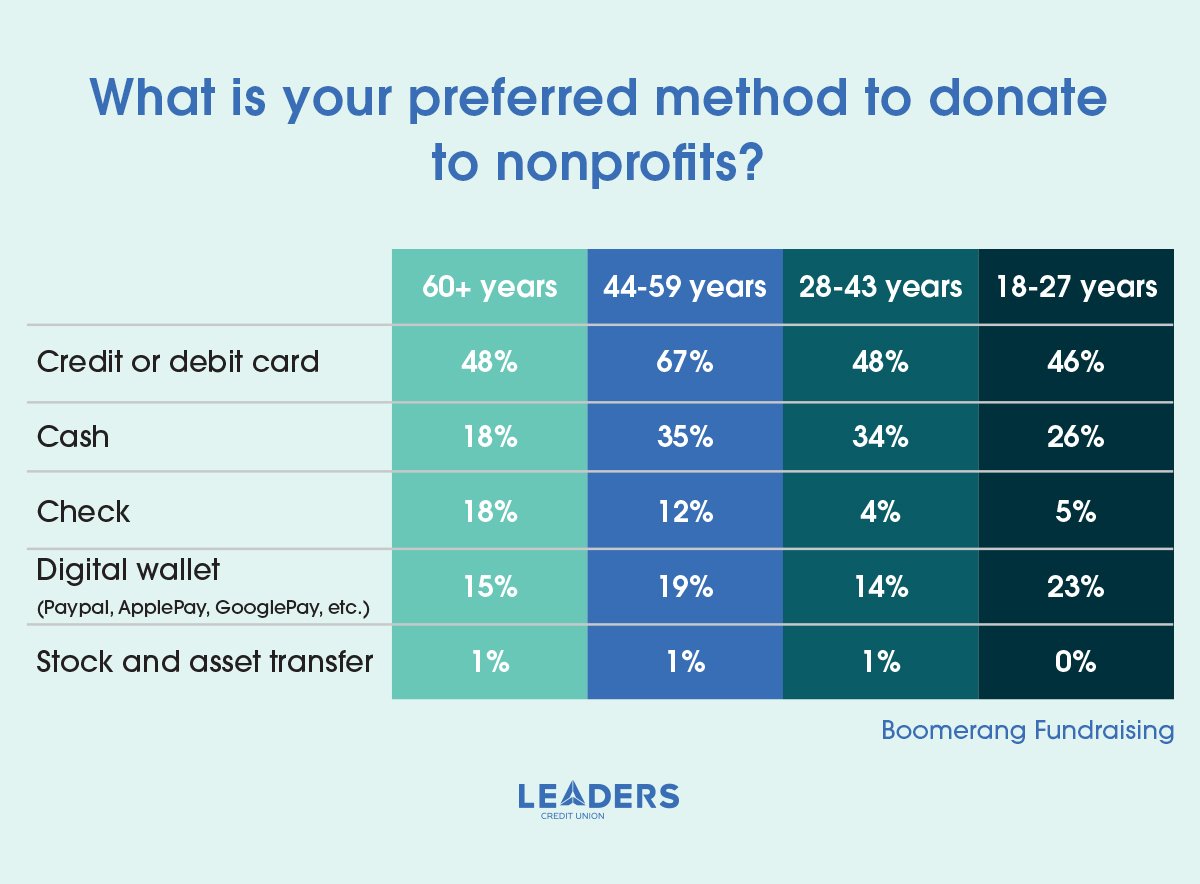
For many young donors, a $5 gift given by 1,000 people feels more authentic and powerful than one large anonymous donation. It’s a reminder that collective action, not just wealth, fuels change.
Hands-On and Skill-Based Giving
Younger donors also love to do something. From assembling care kits to volunteering at food drives, Gen Z is drawn to experiences that connect them directly with the people and causes they support. They often use their personal skills like graphic design, coding, photography, or social media strategy to help nonprofits reach wider audiences.
This kind of hands-on giving merges passion and purpose. It’s less about “charity” and more about community building.
Cause-Driven Shopping and Sustainable Gifts
Gen Z has also blurred the line between spending and giving. They prefer brands and businesses that integrate social good into their models, whether through ethical sourcing, fair pay, or environmental initiatives. Buying a gift from a sustainable company or donating in someone’s name has become a meaningful part of modern giving culture.
For this younger generation, every purchase is a vote for the kind of world they want to live in.
The Social Media Effect: Amplifying Impact
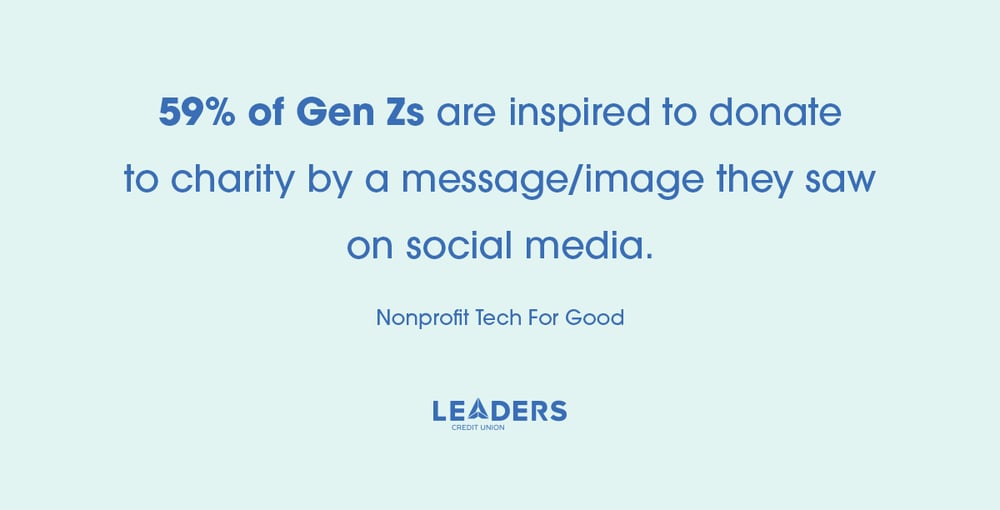
Social media has completely transformed how younger donors discover and support causes. What might begin as a 15-second TikTok about clean water can become a viral fundraising challenge reaching millions.
Gen Z uses these platforms to tell stories, share resources, and mobilize communities quickly. Influencers and peer networks play a major role. Young people are far more likely to donate when they see someone they know (or follow) doing the same.
Challenges like #GivingTuesday, #12DaysOfGiving, and micro-fundraisers hosted through Instagram or YouTube illustrate how digital spaces have become hubs for philanthropy.
But for Gen Z, social media isn’t just about awareness; it’s about accountability. In the digital age of giving, connection and credibility go hand in hand.
Trust and Transparency: The New Currency of Giving
If there’s one value that defines Gen Z philanthropy, it’s trust. Younger donors don’t automatically trust large institutions simply because they’ve been around for decades. They look for transparency, real stories, and data that proves impact.
Nonprofits and community organizations that share progress reports, respond to feedback, and demonstrate inclusivity are far more likely to earn the support of Gen Z. Static websites and vague mission statements aren’t enough anymore; authenticity wins every time.
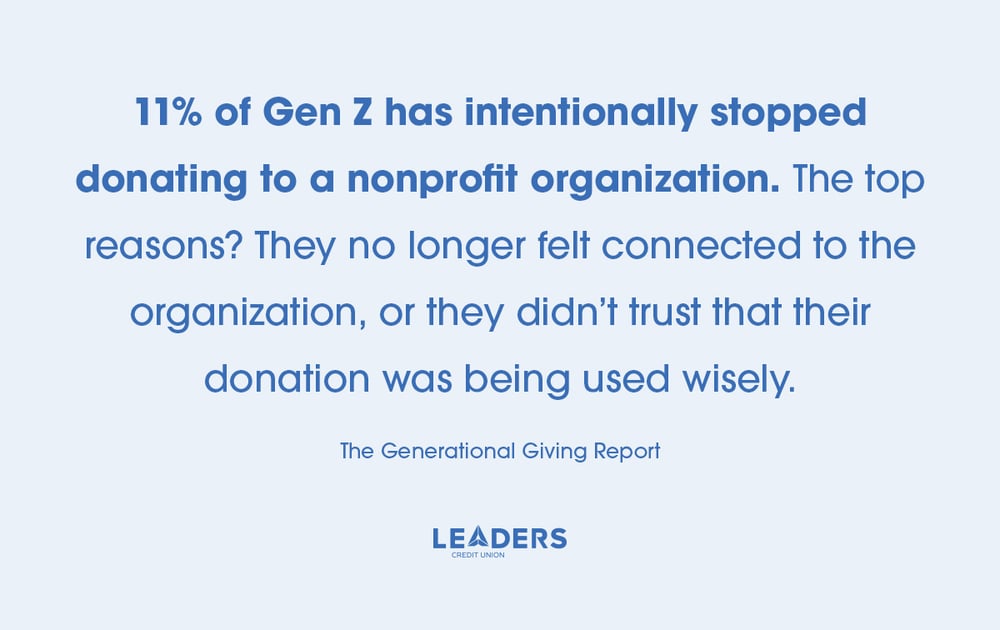
This shift challenges the traditional fundraising playbook but also opens new opportunities. By sharing stories in real time, engaging in honest dialogue, and showing measurable results, organizations can form deeper, longer-lasting relationships with younger donors. And while Gen Z may give smaller gifts initially, they often become lifelong advocates once trust is earned. That’s a powerful foundation for the future of philanthropy within the community.
Building a Culture of Giving Together
Financial institutions, community organizations, and individuals alike can help build this culture of giving by making generosity accessible to everyone.
Encourage digital donations, community volunteering, or micro-fundraising projects that connect people across generations. Start small: support local nonprofits, participate in giving days, or create a family-giving tradition where everyone contributes time or resources to a shared cause. The goal isn’t just to give, it’s to engage. When giving becomes part of daily life, it stops being an obligation and starts being a shared value.
FAQs: The New Rules of Giving
Q: Why is Gen Z changing the way we give?
A: Because Gen Z grew up in a digital, socially-conscious era, they see giving as part of their identity. They expect transparency, inclusivity, and impact—and they use technology to make generosity easier and more personal.
Q: How do Gen Z donors differ from Gen X or Millennials?
A: While Gen X and Millennials often support well-established nonprofits, Gen Z donors prefer grassroots movements, local initiatives, and peer-to-peer giving. They value collaboration over hierarchy and proof of impact over promises.
Q: How can nonprofits connect better with younger donors?
A: Be transparent, authentic, and participatory. Share stories openly, involve young people in the process, and use digital platforms where they already spend time. The goal is to create conversation, not just campaigns.
The Future of Philanthropy: Collaborative, Connected, and Transparent
Looking ahead, Gen Z’s influence will only continue to grow. As this generation gains financial independence, their expectations will shape how nonprofits and communities operate.
The future of giving is likely to be more decentralized. It will be less about top-down organizations and more about networks of individuals united by purpose. Donation platforms, peer-to-peer fundraising, and donor-advised funds will become even more collaborative, connecting people across backgrounds and causes.
Gen Z reminds us that generosity isn’t defined by how much we give, but by how connected and intentional we are when we do.
Ultimately, the “new rules” of giving are less about changing tradition and more about expanding the idea of how to give. Philanthropy is evolving from a one-way donation to a two-way relationship built on shared values, transparency, and trust. And that’s a future every generation can get behind. This resource by Leaders Credit Union, “The Grown-Up Guide to Money Decisions,” is a great way for younger donors to learn how to put their attention into other elements of their finances apart from donating. Download it now to get to work on a brighter financial future.
If you want to read more content, try “The Gen Z Starter Pack: 5 Money Moves to Make Before 25.”


