








Last updated: March 27, 2026
Do you have many goals throughout the year that you seem to struggle to stick to? Whether you made a New Year’s resolution to have better control over your finances or just set a goal to be better about spending, these resolutions can be far more challenging in practice than on paper. One resolution that can help you is establishing a strong financial foundation by building a budget.
What is a Budget?
Budgeting is an essential piece of your financial foundation because it enables you to know how to lower expenses, how to spend less, and how to save more. This all-around assessment of your finances can help you see what actions you need to take to improve your financial stability.
While sticking to a budget all year long can be daunting, it isn’t impossible. It will take discipline and time to change your current habits and create new ones, but there are a variety of strategies and resources that can help you along the way. Remember, the first step in your financial journey is to start.
Key Takeaways
-
Prioritize essential needs (housing, groceries, debt) before wants.
-
Set up automated payments and alerts to stay on track.
-
Build an emergency fund for unexpected expenses.
- Use mobile apps to monitor progress as you use your budget.
How Do You Prioritize Financial Goals When Planning Your Budget?
When starting your financial journey, you can be overwhelmed with knowing which financial goals take top priority in your budget. You might have debts you’ve been wanting to pay off, a trip you’ve been dreaming of going on, or you’re in need of a new car. Whatever goals you have in mind, you must be able to set the record straight about which ones are absolutely necessary.
1. Put What You Need First
While planning for discretionary spending is fun and exciting, putting what you need first before diving into frivolous spending goals is crucial. There is nothing wrong with wanting to be able to afford a spur-of-the-moment shopping trip or a last-minute weekend getaway, but it’s important that you can have enough money for your necessities first. Think of it this way: if you can’t pay off your debts or overspend on groceries, you won’t have enough money to travel or pay for an evening out. By keeping your priorities in line, you are helping yourself to excel in every area of your financial health by ensuring that your finances are growing.


Necessary Spending Includes:
- Rent/Mortgage
- Groceries
- Gas
- Utilities
- Phone Bill
- Debts/Loan Payments
Discretionary Spending Includes:
- Traveling
- Streaming Subscriptions
- Eating at Restaurants
- Fitness Memberships
- Concert or Sports Tickets
2. Know the Final Cost
When setting a financial goal, you need to have a general idea of the final cost. This number will help you know how much you need to spend every month and figure out any interest you could earn while waiting. If you’re unsure how much to set aside, use a financial goal calculator to narrow your goal to determine your need.
3. Have an Accountability Partner
Having someone to walk with you as you work to improve your financial health is essential to your success story. While seeing a financial counselor is a significant first step to help you plan how and what you need to do to reach your goals, asking a trusted friend or loved one to keep you accountable throughout your journey is a great way to keep you motivated.

What Are Simple Ways to Track Expenses Consistently?
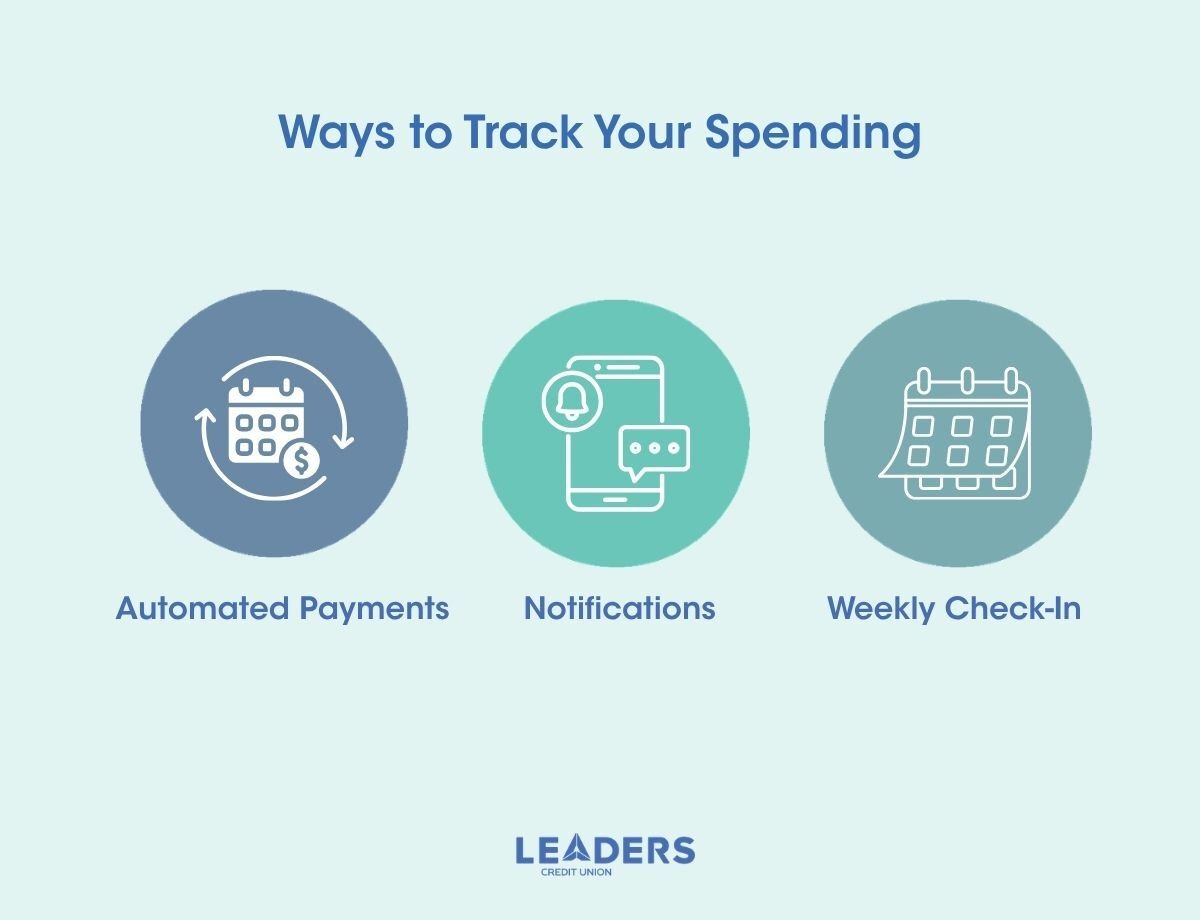
One of the best ways to know if you excel in your financial journey is to have access to your finances 24/7. This could be through online banking with your financial institution or mobile apps. As you begin to access your finances with a touch of a button, you can check on your budget and any other information on the go, so if you’re out shopping or wondering how you’re doing on your savings goals you can check immediately. Here are some features you should set up to help you manage your expenses regularly.
1. Automated Payments
Automated payments help you ensure your essential expenses, such as rent or loan payments, are being taken care of first. You can set these up with your financial institution or on an app to ensure your major expenses are being paid for, so you won’t have to worry about missing a payment.
2. Notifications and Alerts
Notifications and alerts are valuable reminders for when you need to make a payment or if a transaction has taken place. Some apps can even notify you if you are getting close to the maximum amount you have saved for a specific category in your budget, such as groceries. Along with keeping track of your budgeting, text alerts are a great way to protect yourself from financial fraud since you’ll see a transaction immediately.
3. Conduct a Weekly Check-In
Conduct a weekly check-in to analyze how you’re doing so far in your budget. Is there an area of your finances where you tend to spend more than necessary? Do you remember to make your payments?
Having these features ready for when you begin applying your budget to your everyday life can help you maintain consistency in your financial choices. It will take time and patience to build the skills you need to stay diligent, but with some practice and financial wellness tools, you’re already on a better road for your financial journey.
How Can You Handle Unexpected Expenses Without Breaking Your Budget?
The best way to handle unexpected expenses is to have an emergency fund. An emergency fund is a separate savings account you don’t use unless you are in a critical situation, such as a medical issue or natural disaster. This fund lets you know that you have a financial cushion in case some unplanned expenses occur, and it can protect you from disrupting your budget.
Budgeting is so impactful for every aspect of your life because it affects what you can and can’t financially afford to do. Since protecting your budget is essential, you must be aware of potential threats that could hinder your ability to carry it out. That's why it's so important for your financial health to have an emergency fund for unexpected expenses.
Are There Free Resources Available for Creating and Managing a Budget?
Since having the discipline to follow a budget can be tricky to learn, having resources to help you along the way can be beneficial. There are a variety of apps that you can download on your phone to assist you. Below are some financial apps and their features that you can choose from to help you maintain a realistic budget.
- Money Management
- Syncs accounts from other financial institutions and credit card companies
- Credit Score Tracking
- Debt payoff forecasting
- Doesn't charge extra for special features
- Helps you follow SMART (Specific, Measurable, Achievable, Relevant, Time-Bound) Goals
- Tracks past payments and helps you plan for the future
- Debt payoff plan. This is extra, but it is a good resource to help you budget for any recurring loan payments you may have.
- Tracks your net worth
- Zero-based budgeting tool
- All-around tracking for your goals
- Keeps track of your transactions
While these apps are free to download, PocketGuard and Everydollar charge for extra features. Keep this in mind when deciding which one you think will work best for your financial goals.
FAQs about Tips for Sticking to a Budget
Q: How should I prioritize my spending in a budget?
A: Start by covering essential expenses like housing, groceries, utilities, and debt payments. Once those are handled, you can allocate money toward discretionary spending like entertainment and travel.
Q: Where can I get help creating or managing a budget?
A: You can get help from financial counselors, like those at Leaders Credit Union, who can guide you through your current finances and help you build a plan for long-term success.
Q: How do I prepare for unexpected expenses when budgeting?
A: The best way to prepare for unexpected expenses is to build an emergency fund. This fund should only be used for critical situations like medical emergencies, car repairs, or job loss, so your regular budget stays on track.
Q: What are the best apps to help me stick to a budget?
A: Everydollar, PocketGuard, and the Leaders Credit Union mobile app are all apps you can choose from to help establish your budget. They provide features to help you keep up with your finances on the go.
Create a Budget that Makes a Difference with Leaders Credit Union
Are you ready to stick with your budget all year long? The Financial Champions at Leaders Credit Union are happy to help you with your financial goals and journey. It can be a challenge to stick with a new habit of budgeting, but our team is equipped to guide you in the right direction towards financial freedom.
To learn more about how to create a budget, check out our free Smart Budgeting Toolkit.
Curious about which budgeting strategy to choose for your financial situation? Read our blog, "What's the Best Budgeting Method? Comparing Zero-Based, 50/30/20, and Paycheck-to-Paycheck Budgets."
Leaders Credit Union is federally insured by the NCUA.


