








Last updated: March 6, 2026
The best budgeting method depends on your financial situation and habits:
- Zero-based budgeting is best for beginners and people who struggle with overspending.
- 50/30/20 budgeting is best for people with stable income who want flexibility.
- Paycheck-to-paycheck budgeting is not ideal and is usually a temporary necessity rather than a strategy.
When it comes to budgeting, there are so many ways you can handle your finances. You’ve likely heard different opinions from family members, influencers on social media, or articles online that tout they’ve “cracked the code” for the best budgeting strategy. In reality, budgeting can look different for everybody, depending on your personality and your financial goals. We’re going to break down three strategies so you can compare each and see which makes the most sense for your financial plan.
Key Takeaways
-
The Zero-Based Budgeting Method is when you give every dollar a name and a category, so your final balance at the end of the month is always zero, keeping every dollar in an organized place.
-
The 50/30/20 Budgeting Method allocates 50% to needs, 30% to wants, and 20% to savings, debt, and giving.
-
The Paycheck Budgeting Method is when you live paycheck to paycheck, a means to an end for restrictive financial situations.
-
Know your spending personality before you choose a budget.
Method #1: Zero-Based Budgeting
A common way to keep track of your expenses is through the Zero-Based Budgeting Method. Zero-based budgeting works like this:
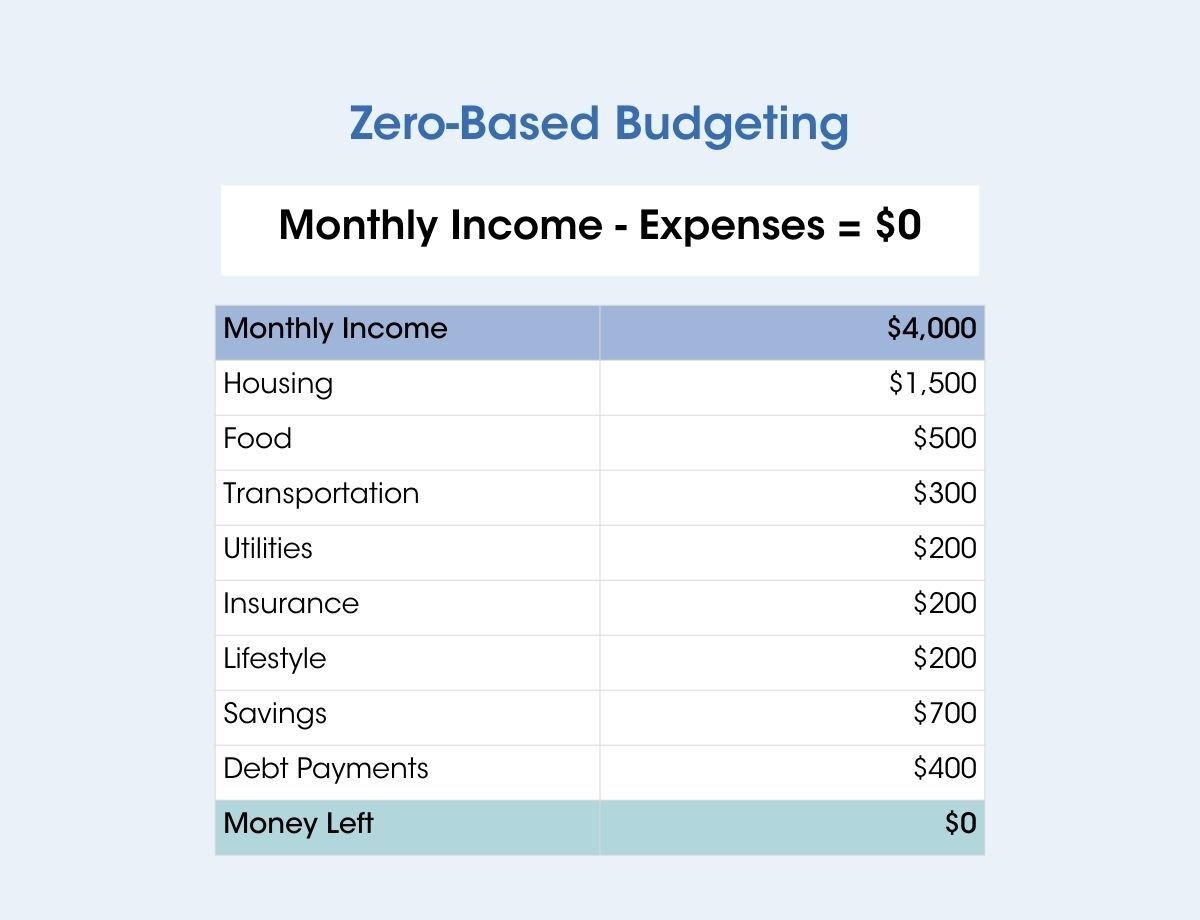
Your Monthly Income - Expenses = 0
This strategy is incredibly useful if you’re just starting out with budgeting or want to actually see where every dollar is going each month. Breaking down your expenses one by one gives you the perspective to see exactly where you’re overspending or where you need to allocate more money, such as toward your savings goals. It might also give you insight into how you can contribute more to paying off your loans.
Whatever way you decide to manage your money, this is a great strategy for maintaining total control over your budget, especially if you’re just starting out.
The Envelope System
One key benefit of the Zero-Budgeting Method is the use of the envelope system. The envelope system is a practical way to stay on top of your budget by putting real dollars into envelopes for each budget category.
For example, you could have an envelope labeled “Groceries” that has the amount you’ve budgeted for this month. That way, you’re guaranteed not to go over budget, since you literally run out of money. This is a great strategy to use if you really struggle with overspending. There are even envelope wallets you can purchase to help you stay organized on the go.
Who Should Use This Method?
Since the Zero-Based Budgeting Method is based on a step-by-step process of knowing where each dollar is going, it is a great budgeting strategy to use if you’re budgeting for the first time or really struggle to maintain one. Developing the habit to make wise financial decisions takes time and discipline, and this method is a great choice if you want to sharpen your skills.
Method #2: 50/30/20 Budgeting
The 50/30/20 Method is when you split up your finances into 3 categories:
- 50% goes to needs (housing, utilities, groceries)
- 30% goes to wants (dining out, shopping, entertainment)
- 20% goes to savings, debts, and giving
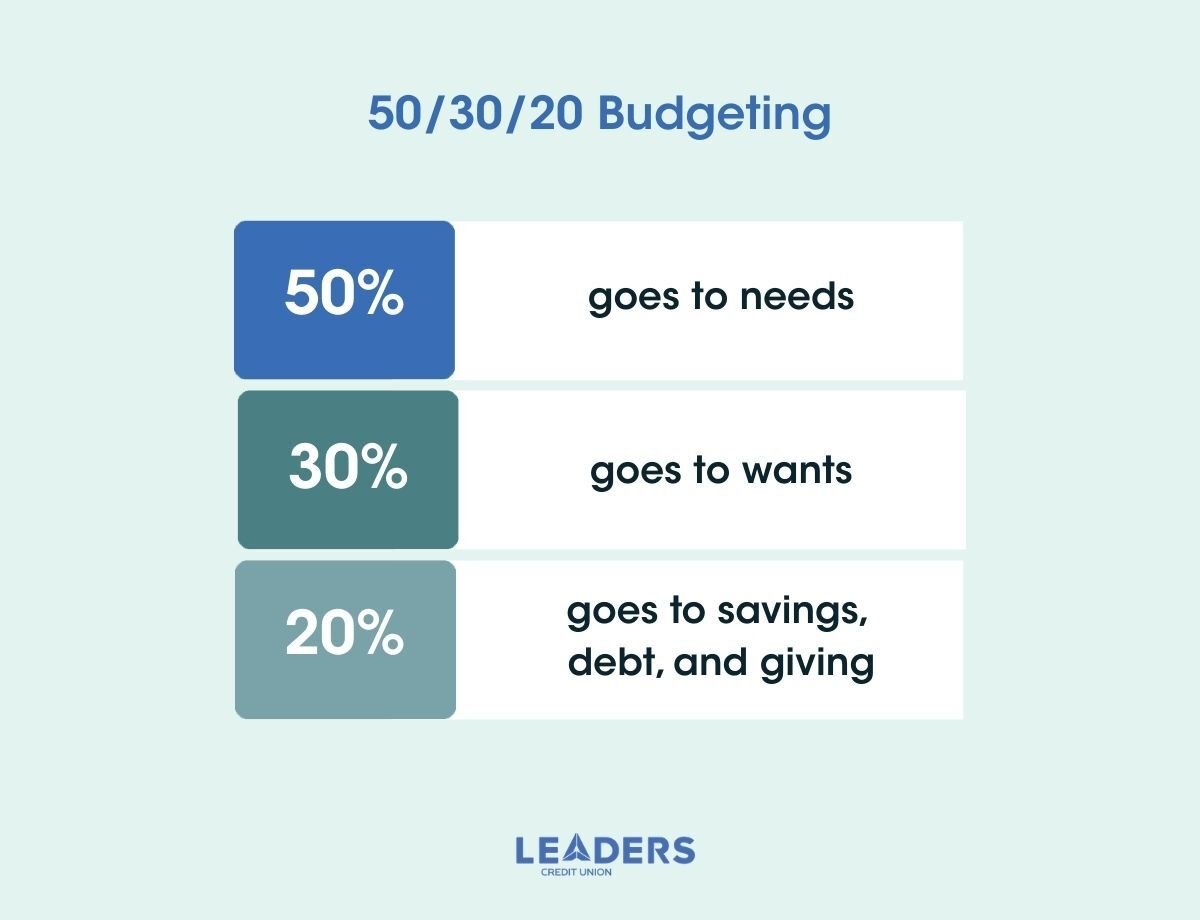
Splitting your budget into these categories helps you see what your monthly budget will look like. For example, if your monthly income is $4,000, you would spend:
- $2,000 on necessities
- $1,200 on wants
- $800 on savings, debts, and giving.
While you could go into the budget to calculate the exact amount you need to spend or save on each expense, like the Zero-Based Budgeting Method, this budgeting style gives you more freedom to spend within a range rather than looking at each item individually. You’ll want to ensure you’re staying within budget and that you know each expense so you’re spending the appropriate amount each month, but it gives you more flexibility if you want to spend without checking in every day.
Who Should Use This Method?
This budgeting strategy is great if you’ve had more experience with budgeting and are skilled at managing your expenses. That being said, always remember to have regular check-ins weekly or biweekly to make sure you are still staying within your budget.
Method #3: Paycheck-to-Paycheck
While most budgets operate on a monthly cycle, the Paycheck-to-Paycheck Method depends on when you receive your paycheck. When you receive your check depends on your job, but most Americans receive their paycheck biweekly.
A paycheck-to-paycheck budget works like this: once your paycheck hits your account, you spend it on all necessary expenses, like rent, groceries, and gas. This is a continuous cycle because you’re paying what you absolutely have to pay to live, leaving no room to get ahead on your debt or savings goals.
Who Should Use This Method?
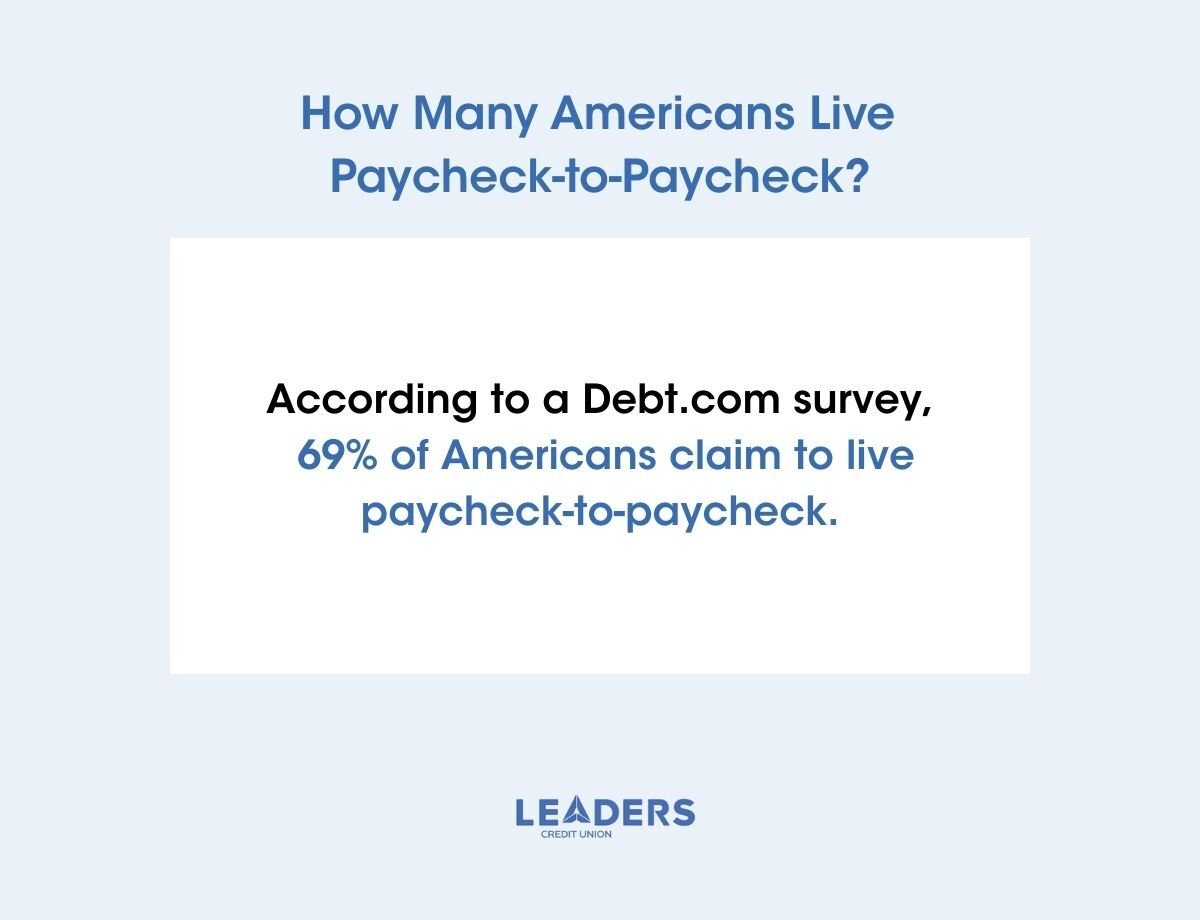
Living paycheck to paycheck is actually a common financial choice in the United States. According to a Debt.com survey, 69% of Americans claim to live paycheck-to-paycheck. However, living this way can threaten your long-term financial health. If you’re currently living this way, it’s likely out of necessity, and you feel you can’t get out of the constant loop of adding to savings or paying off debt because you’ve maximized what you’re able to pay for.
Which Budget Will Work Best for You?
Now that you know different budgeting methods, you get to decide which one works best for your financial situation. Not sure which budget will work best for you? No problem. Here are some things to keep in mind to help you decide.
Spenders vs. Savers
Before you make a decision, you need to evaluate your current spending and saving habits. People typically fall into one of the two categories: spenders or savers. If you’re a spender, you might enjoy shopping sprees or purchase the first thing you see in the clothes store. For savers, they are more hesitant to spend money and would rather save for other purchases, or don’t mind waiting a day or two before making a purchase. It’s important to know which personality you lean towards, so you can plan accordingly with your budget.

Young Adults, Spenders, Newlyweds
Budget Recommended: Zero-Based Budgeting
If you’re a young adult who is handling your finances for the first time, a spender who struggles to maintain a budget, or two newlyweds trying to figure out how to join your finances, you’ll want to engage in a budget that helps you break down each expense step-by-step.
Financially Organized, Stable Income, and Savers
Budget Recommended: 50/30/20 Budgeting
If you’re a seasoned adult who’s had years of experience with budgeting, how you organize money might be second nature to you, especially if you’ve had a stable income and are intentional about saving.
No Matter Which Method You Choose, Stick With It!
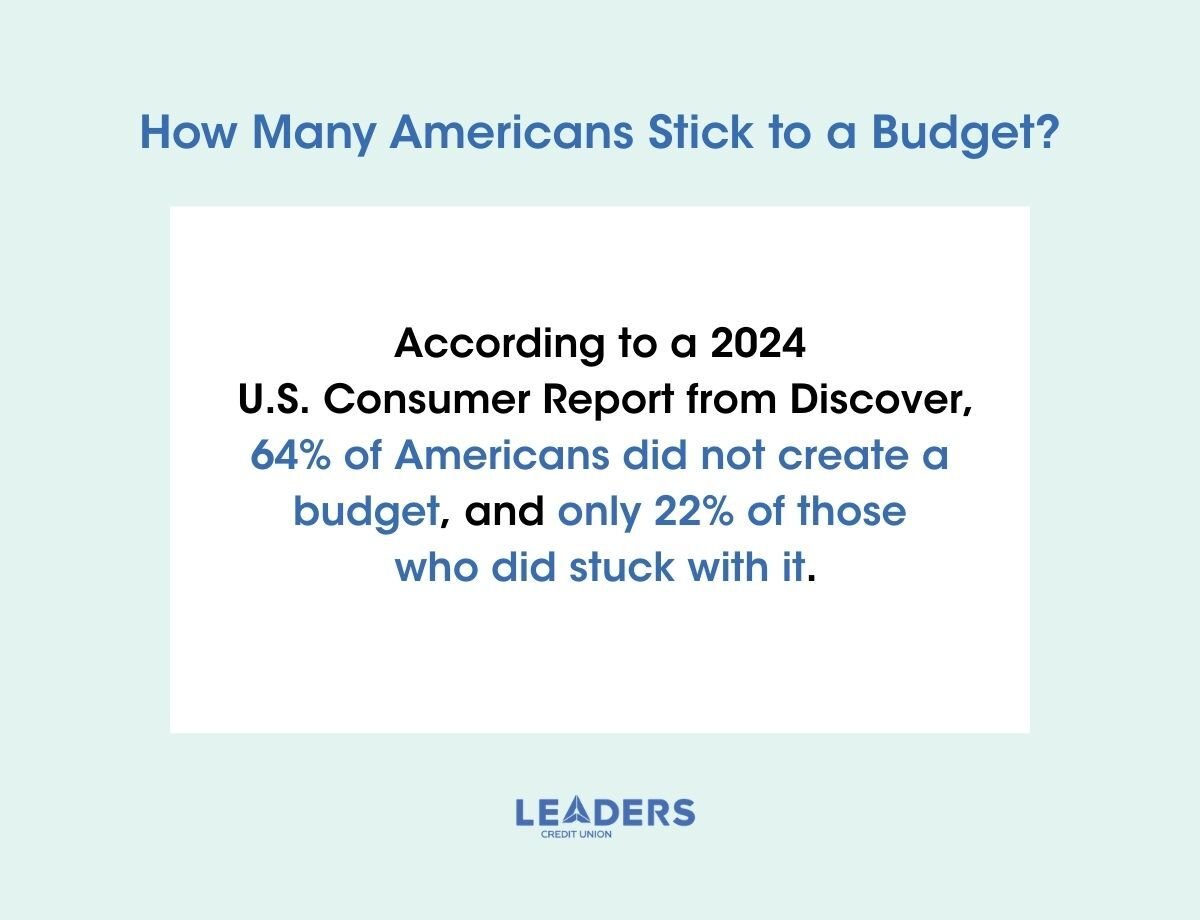
According to a 2024 U.S. Consumer Budgeting Report from Discover, 64% of Americans did not create a budget, and only 22% of those who did stuck with it. There’s no doubt about it—Americans are in desperate need to gain financial stability. Regardless of which budgeting method you choose, the crucial point is to choose one and stick with it.
Budgeting and managing your finances can be challenging, but it will be so worth it when you’re able to get that diploma, buy your first car, or take that awesome European vacation. It just takes some hard work, endurance, and dedication.
Financial Tools and Resources to Help You Budget
Thankfully, you don’t have to manage your budget on your own! Whether you’re old school and enjoy writing out your budget on paper or you enjoy receiving text notifications on your phone, there are plenty of resources to choose from to help you stay on track.
Smart Budgeting Toolkit
At Leaders, we have a free, downloadable Smart Budgeting Toolkit where you can:
- Track your spending with a monthly budget template.
- Create and write down your S.M.A.R.T. Goals.
- See a list of recommended apps and financial tools.
Money Management on Leaders Credit Union’s Mobile App or Online Banking
If you want to see your money on the go, try the Money Management Tool on the Leaders Credit Union mobile app. This app includes:
- Spending tracker
- Cash flow calendar
- Debt payoff forecasting
- Email and text alerts
- Auto-creation of budgets based on spending history
If you’re curious about learning more, watch our online tutorials.
Schedule a Financial Check-Up
At Leaders Credit Union, we have a great team of Financial Champions who are happy to help you on your financial journey. Whether you’re creating a budget for the first time or are overdue for a much-needed budget reset, our team is ready to assist you with your financial needs. Book an appointment today!
FAQs about Different Budgeting Strategies
Q: Why is budgeting important?
A: Budgeting keeps your finances organized and helps you to make wiser financial decisions by watching your spending, saving, and giving. By keeping track of your finances, you’re able to protect your money and build wealth.
Q: How do you choose a budgeting strategy?
A: Choosing a budget depends on your financial experience, goals, and personality. If you’re budgeting for the first time or struggle with maintaining a budget, choose Zero-Based Budgeting. If you’re a structured and organized budgeter, the 50/30/20 Budgeting Method could work for you. No matter what financial situation you find yourself in, avoid living paycheck-to-paycheck.
Q: Why is living paycheck-to-paycheck harmful to financial health?
A: Living paycheck-to-paycheck keeps you from being able to have wiggle room in your budget for emergencies, savings goals, and paying off debt. It keeps you in a continuous cycle since you’re never able to set aside money to save or increase what you’re spending on your loans.
Q: What is Zero-Based Budgeting?
A: Zero-based budgeting is when you budget by subtracting your monthly expenses by your monthly income until it equals zero. By using this strategy, you're giving every dollar a name and goal for each month, so you know exactly how much money you need to spend or save each month.
Build The Budget You Need with Leaders Credit Union
Have more questions about building a budget? Need accountability? Having a budget is crucial to your financial foundation, so we want to make sure you get the help you need to build one that best fits your wants and needs.
To get started, check out our free Smart Budgeting Toolkit to begin thinking practically about what you want your budget to look like and how you’re going to stick with it. Also, check out our other blog, “Budgeting Basics: How to Establish a Personal Budget,” to learn how you can make a budget.
Leaders is federally insured by the NCUA.


